Hematite Ring Benefits: What the Stone Does on Your Finger
Quick answer —A hematite ring gives you the same measurable density and hardness as a hematite bracelet, worn in continuous skin contact. Any grounding or confidence benefit beyond that is tradition, not documented science.
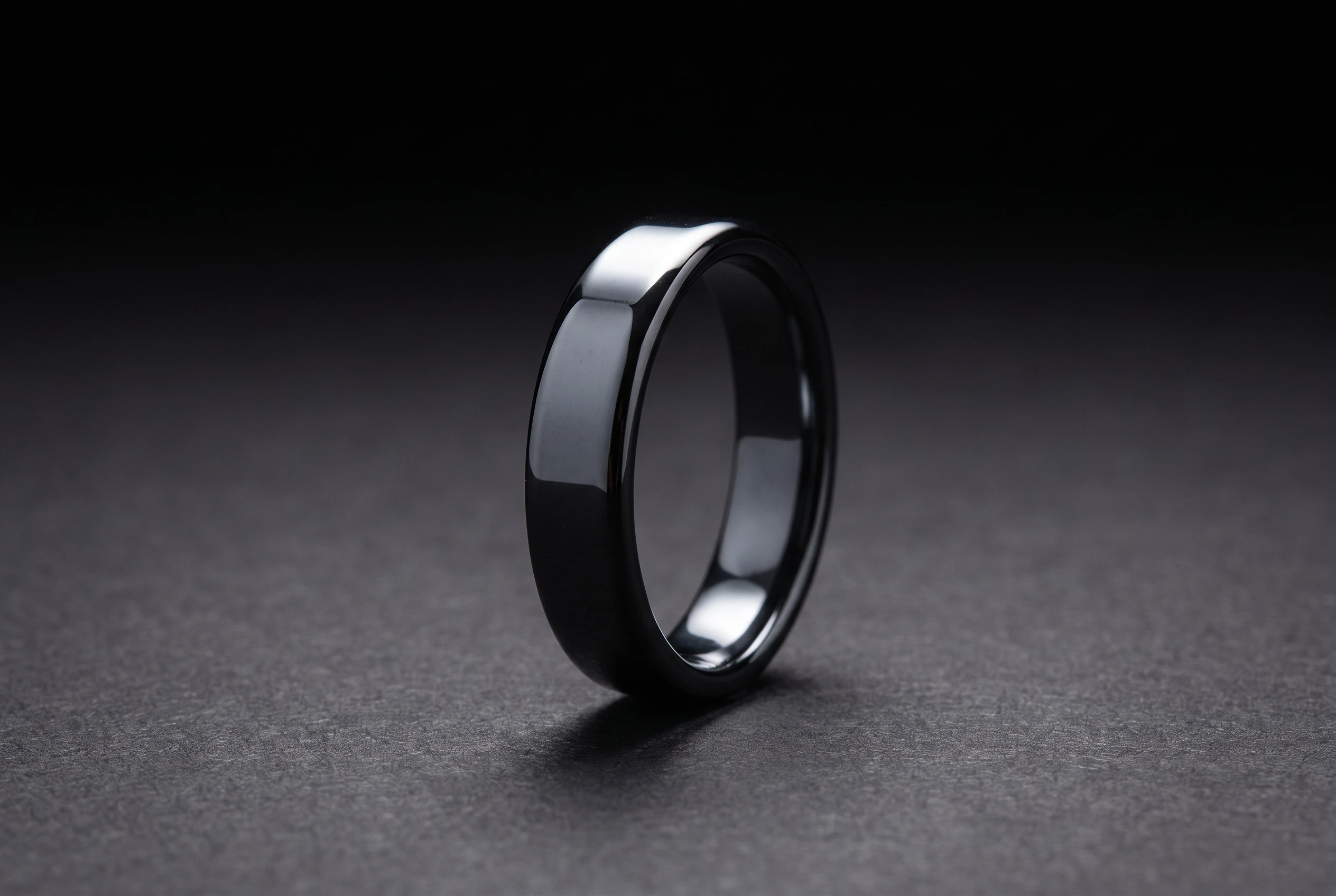
"Hematite ring benefits" gets searched almost as often as the bracelet version, but a ring is a genuinely different object on the hand — worn constantly, knocked against more surfaces, seen up close by the person wearing it more than almost any other piece of jewellery. Here is what actually changes.
The same mineral, a different way of wearing it
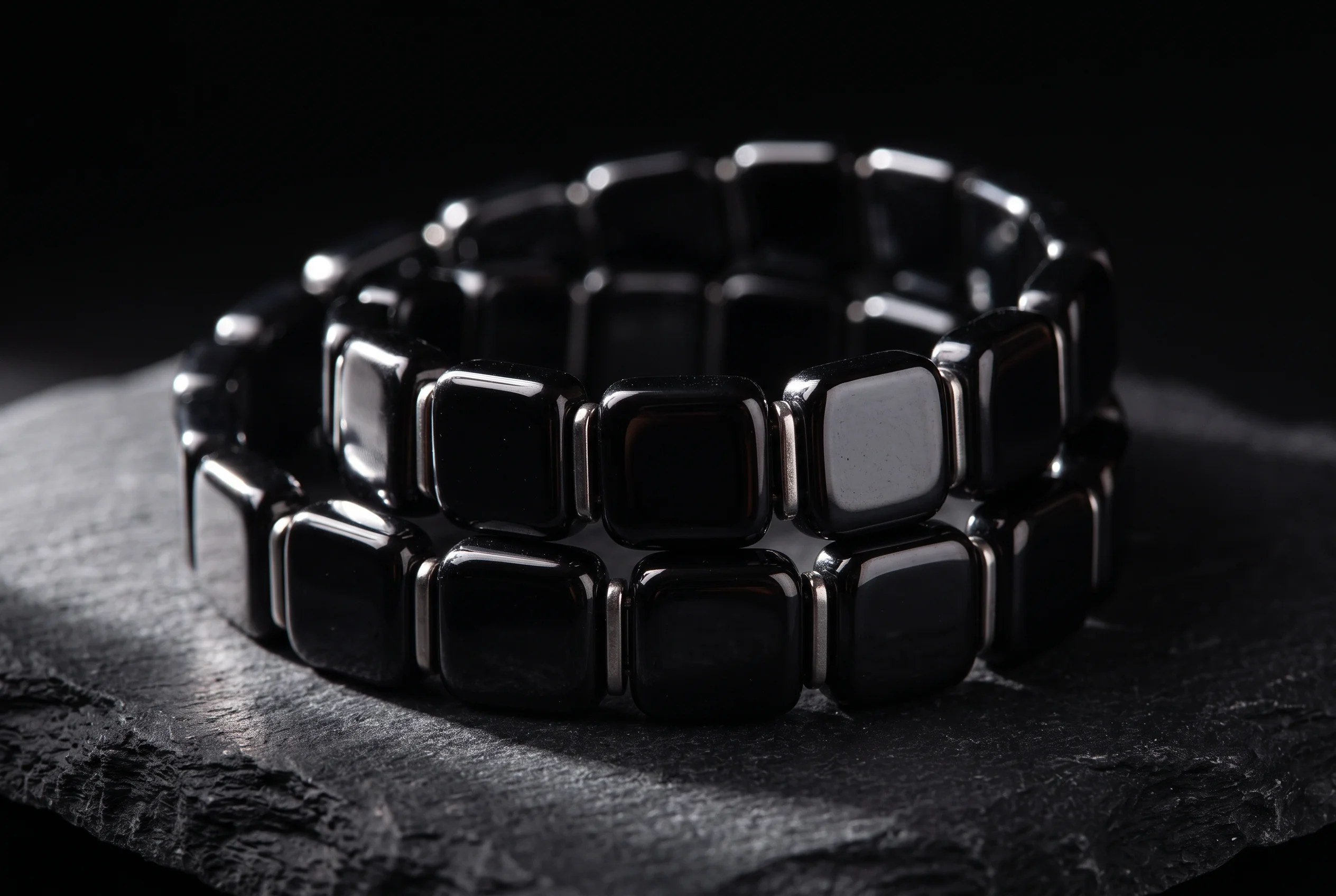
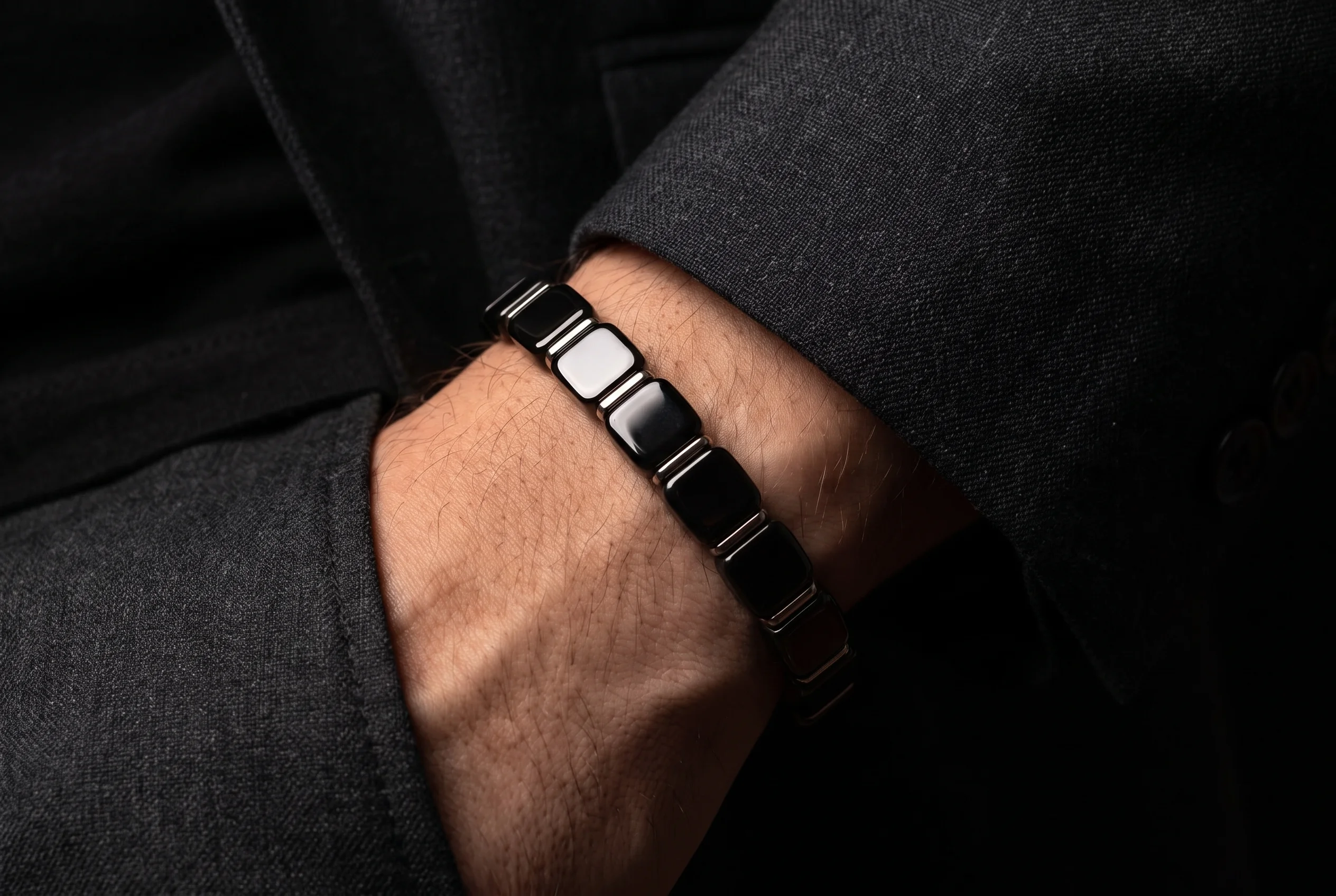
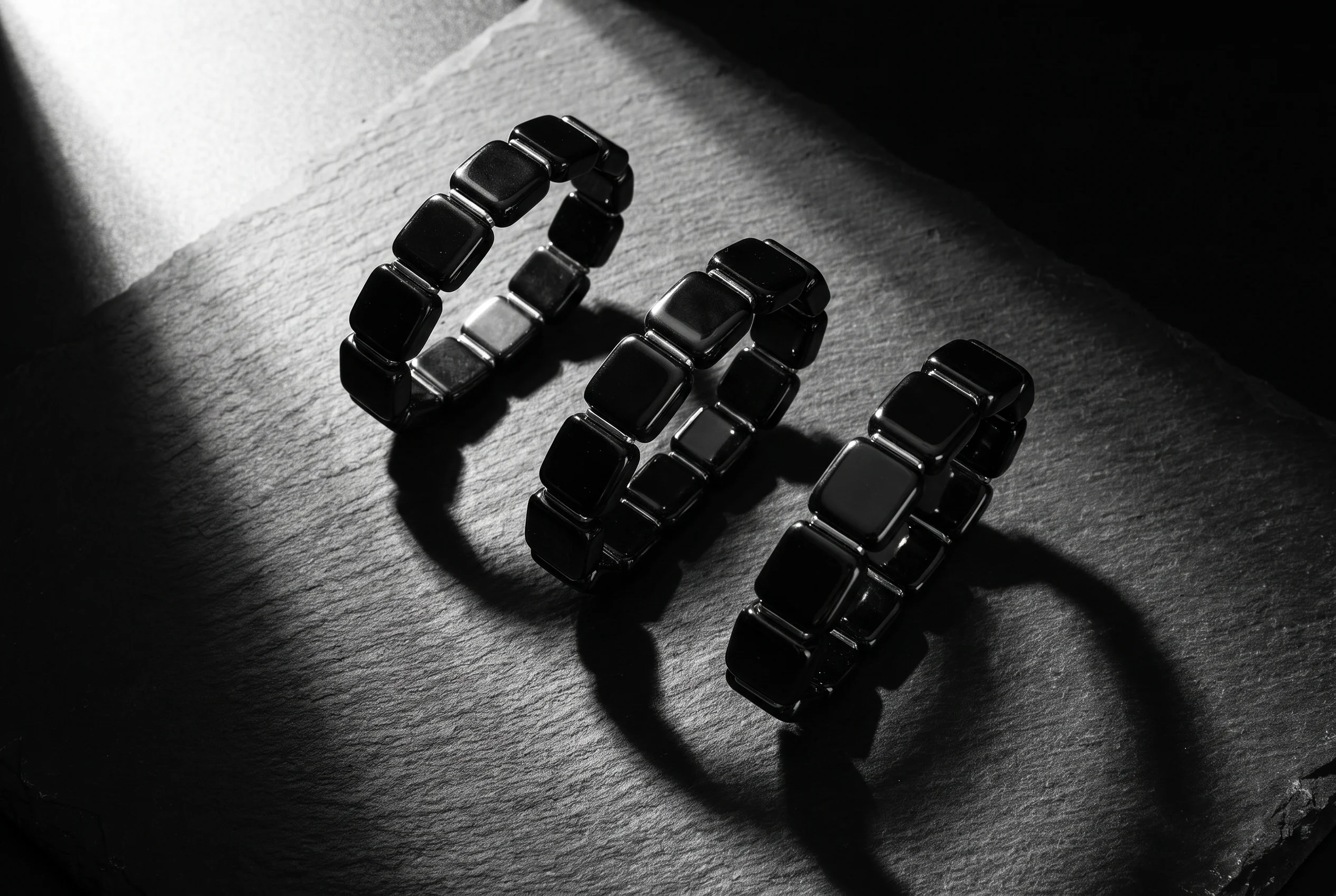
A hematite ring is cut from the same iron(III) oxide — Fe₂O₃ — as a hematite bracelet: dense, 5.5–6.5 on the Mohs scale, with a metallic black-grey surface and a red-brown streak underneath. None of the physical facts change between the two forms. What changes is contact: a ring sits against skin continuously, all day, in a way a beaded bracelet on an elastic cord does not, which is why people who wear one report noticing its weight and cool temperature more, not because the mineral behaves any differently on a finger.
What tradition says about a ring specifically
In grounding traditions, a ring is often treated as a more "active" way to carry a stone than a bracelet — closer to the hand, involved in every gesture you make during the day. That is a real, widely held belief, and we will always call it belief rather than dress it up as documented fact. What is true regardless of tradition: a ring is the one piece of hematite jewellery most likely to take a direct knock, which is the actual reason hematite rings are the ones that crack — see our full breakdown of why hematite rings break for the mechanics.
What we will not claim
We will not tell you a hematite ring improves focus, confidence, or grounding through any documented mechanism — no ring, in any material, does that. What we will tell you is that hematite has been worn as a ring stone since antiquity, that its weight and coolness are real physical sensations you will notice more on a finger than a wrist, and that choosing to wear one for what it represents to you is a legitimate reason that needs no embellishment.
Natural vs. magnetic: the distinction that matters most for a ring
A large share of "hematite ring benefit" claims online are actually describing magnetic hematite rings — a man-made magnetic composite, not the natural stone, which is only weakly magnetic on its own. The composite is also generally more brittle than solid natural hematite, one more reason to know which one you are buying before it is on your finger daily. Our full magnetic hematite ring guide covers the difference in detail.
The honest bottom line
A hematite ring gives you the same real mineral as a hematite bracelet, worn in the way that puts it in contact with your hand the most. If you want the natural, non-magnetic version, our Hematite Band Ring is solid polished stone with nothing plated or engineered into it.
Frequently asked questions
- What are the benefits of wearing a hematite ring?
- Physically, hematite is a dense, hard iron oxide that feels noticeably heavy and cool against skin. Beyond that, any grounding, focus, or protective benefit attributed to a hematite ring is traditional and cultural, not a documented physical or medical effect.
- Is a hematite ring better than a hematite bracelet?
- Neither is objectively better — they are the same mineral. A ring sits in continuous skin contact and takes more direct impacts during the day, which is also why rings crack more often than bracelets of the same stone.
- Does a hematite ring have to be magnetic to work?
- No. Natural hematite is only weakly magnetic on its own. A strongly magnetic hematite ring is almost always a man-made composite (often called hematine), not the natural stone — magnetism is a manufacturing choice, not a requirement of the mineral.
Free tracked shipping worldwide · Free fix for damaged, missing, or wrong items
Shop the collection