Hematite vs. Quartz: Two Completely Different Minerals Often Sold Together
Quick answer —"Hematite quartz" usually refers to clear quartz with hematite inclusions visible inside it — two distinct minerals in one specimen, not a single stone. Hematite is iron oxide (Fe₂O₃); quartz is silicon dioxide (SiO₂) — different composition, hardness, and formation entirely.
"Hematite quartz" is searched often enough to look like it names one specific stone. It doesn't — it's two entirely different minerals that happen to show up together in nature, and the phrase means something more specific than most listings explain.
Two different minerals, not one
Hematite is iron(III) oxide — Fe₂O₃ — one of the most abundant iron ores on Earth, metallic black-grey, and identified by a red-brown streak. Quartz is silicon dioxide — SiO₂ — one of the most abundant minerals in the Earth's crust generally, typically clear, white, or lightly tinted, and forms as classic six-sided crystal points. They don't share a composition, a formation process, or a color family. The only thing they reliably share is that both are common enough to turn up in the same geological settings.
What "hematite quartz" actually refers to
When hematite forms as a mineral inclusion inside growing quartz crystals, you get hematite-included quartz — clear or smoky quartz with visible red, orange, or metallic flecks and streaks of hematite trapped inside it, sometimes also called "fire quartz" or "harlequin quartz" depending on the pattern. That's almost always what "hematite quartz" jewellery listings are describing: a quartz piece with hematite inclusions, not a hybrid mineral or a single stone that is somehow both.
Hardness and durability compared
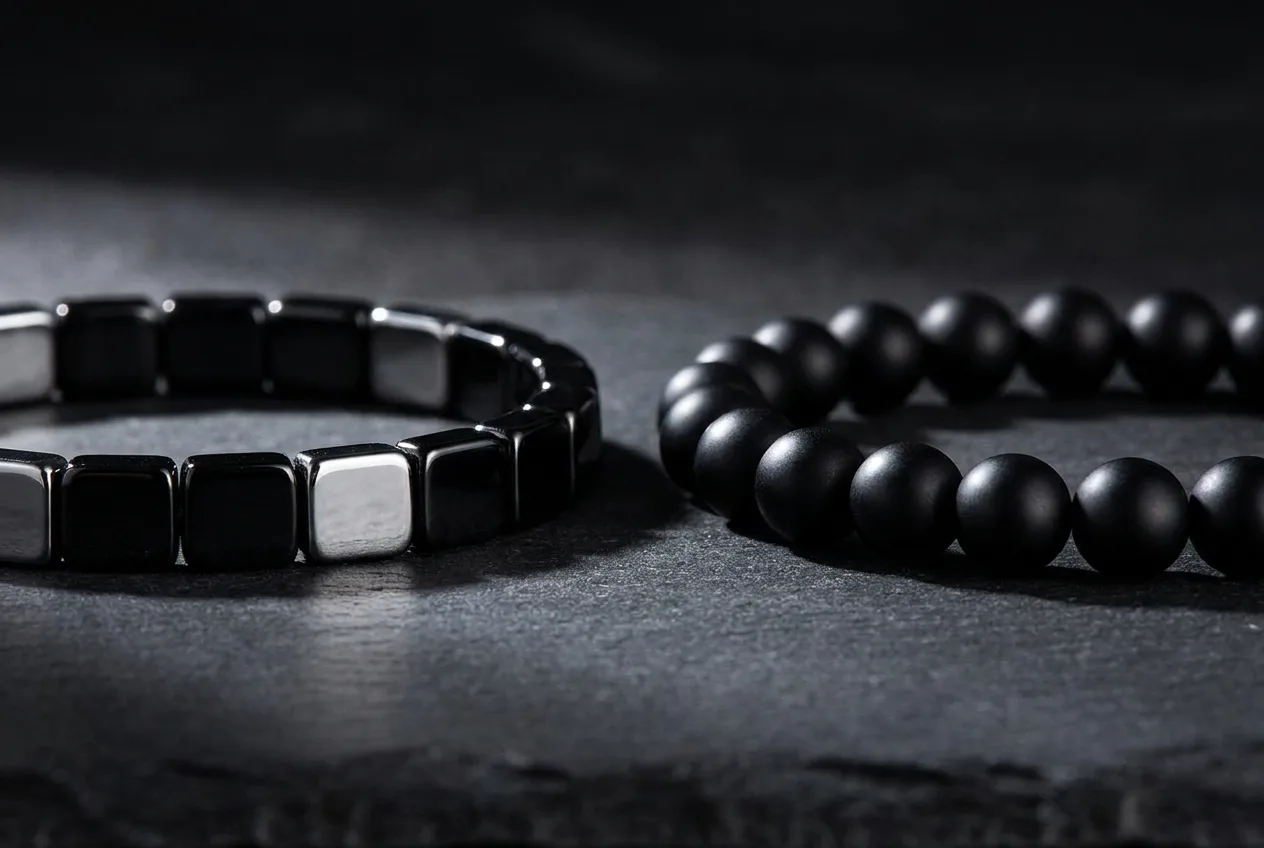
Quartz rates 7 on the Mohs hardness scale — harder than hematite's 5.5–6.5 — which is part of why quartz is prized for faceted, transparent gemstone cutting: it takes a sharp, durable edge well. Hematite's lower hardness and opaque, metallic character make it better suited to smooth, tumbled beads than faceted cuts. Neither is "better" — they're suited to different jewellery styles entirely.
Why the confusion persists
Both minerals get marketed heavily in the same "energy stone" category, both have long-standing grounding or clarity associations in crystal tradition, and both are genuinely abundant, affordable minerals — which is likely why search engines and shoppers alike treat "hematite" and "quartz" as adjacent enough to search together. They're not interchangeable, though: buying "hematite quartz" gets you a quartz piece with hematite flecks, not a solid hematite piece.
What we sell
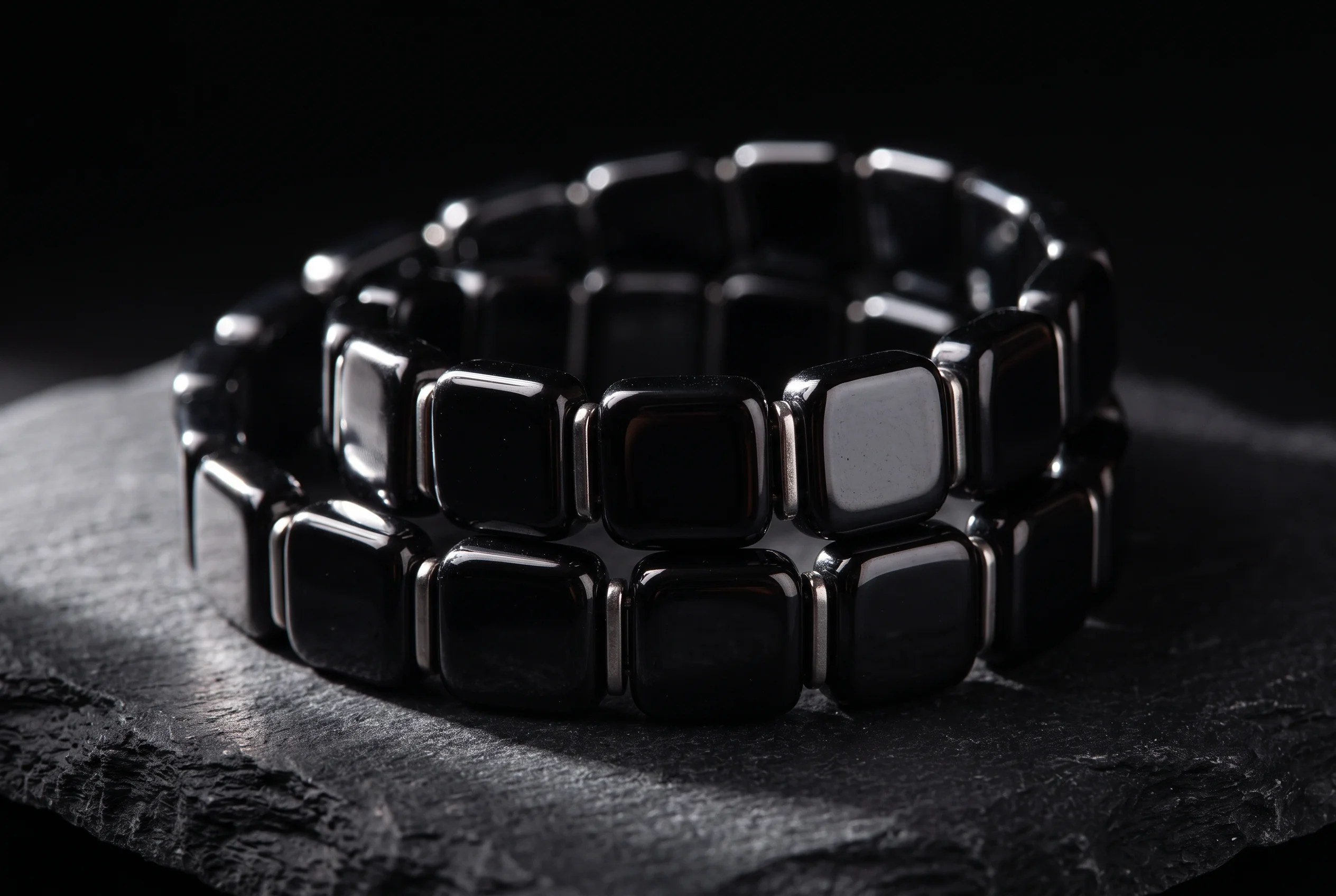
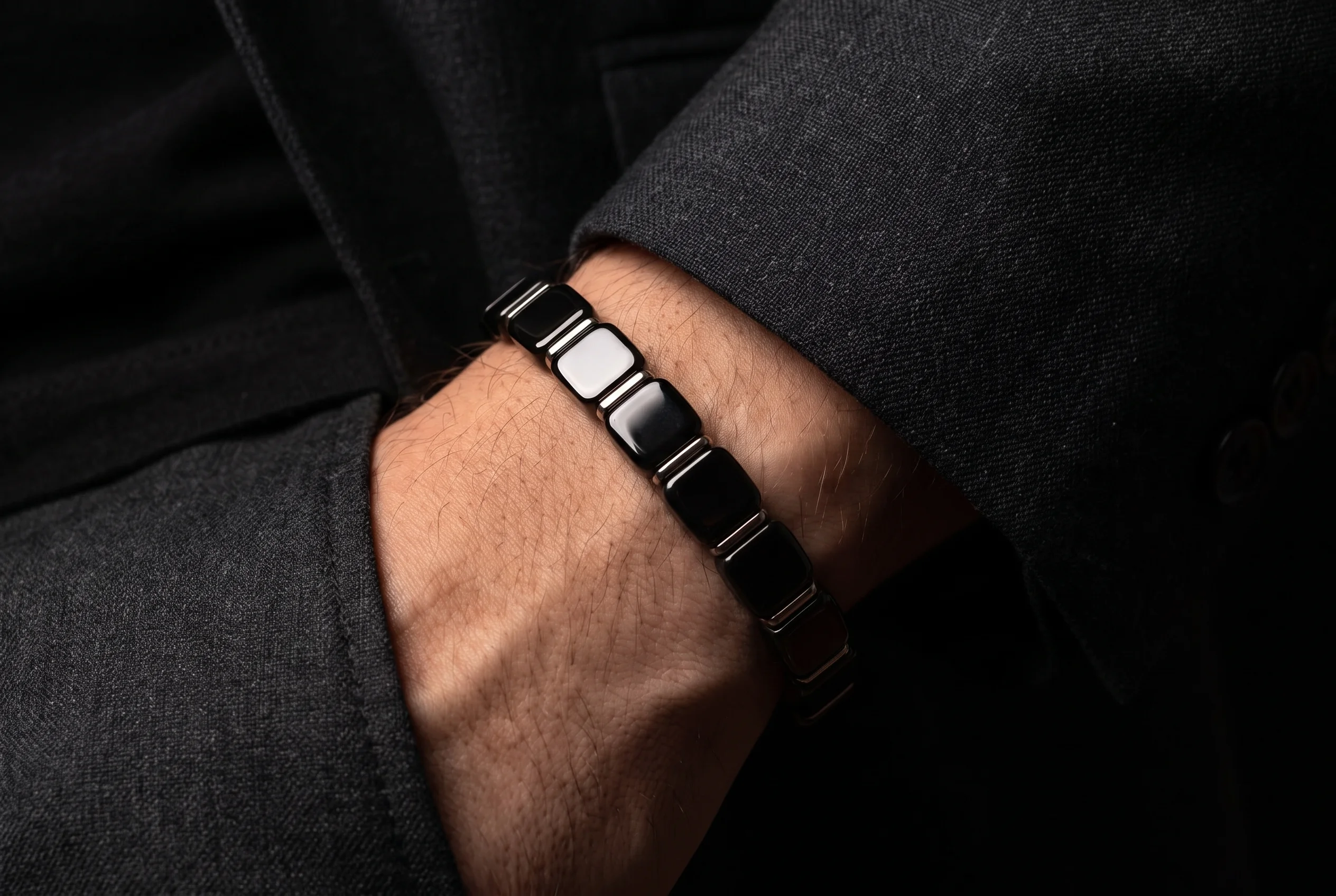
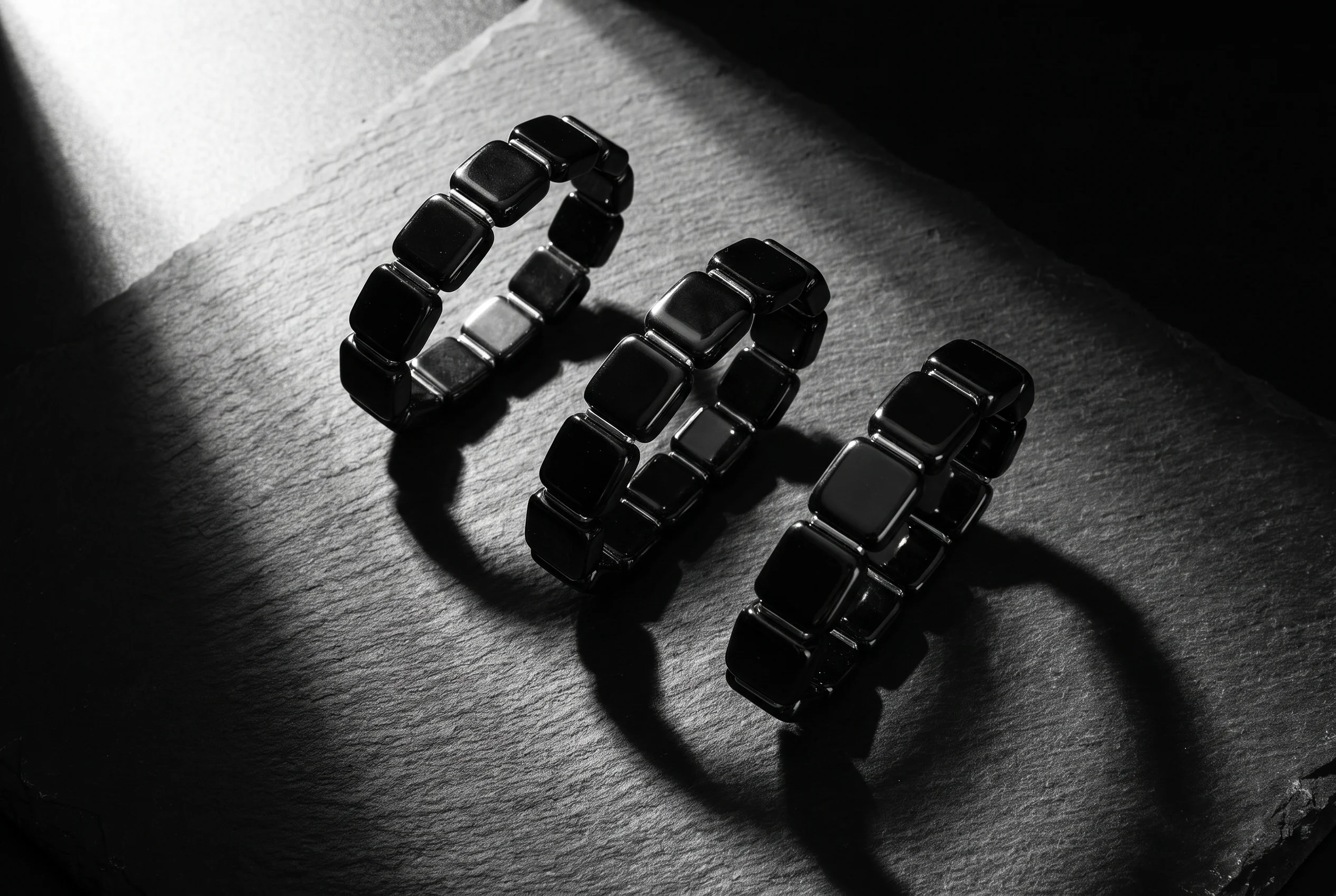
We work exclusively with solid natural hematite — no quartz inclusions, no hybrid pieces. The Hematite Men's Bracelet is a single strand of polished, natural iron oxide, described as exactly that.
Frequently asked questions
- Is hematite quartz one mineral or two?
- Two. "Hematite quartz" almost always refers to clear or smoky quartz (SiO₂) with visible hematite (Fe₂O₃) inclusions trapped inside it — two distinct minerals in one specimen, not a single hybrid stone.
- Is hematite harder than quartz?
- No. Quartz rates 7 on the Mohs hardness scale; hematite rates 5.5–6.5. Quartz is harder, which is part of why it's commonly cut into faceted gemstones while hematite is more often tumbled into smooth beads.
Free tracked shipping worldwide · Free fix for damaged, missing, or wrong items
Shop the collection